Why Buy Rattan Garden Rattan
Posted on
Why Buy Rattan Garden furniture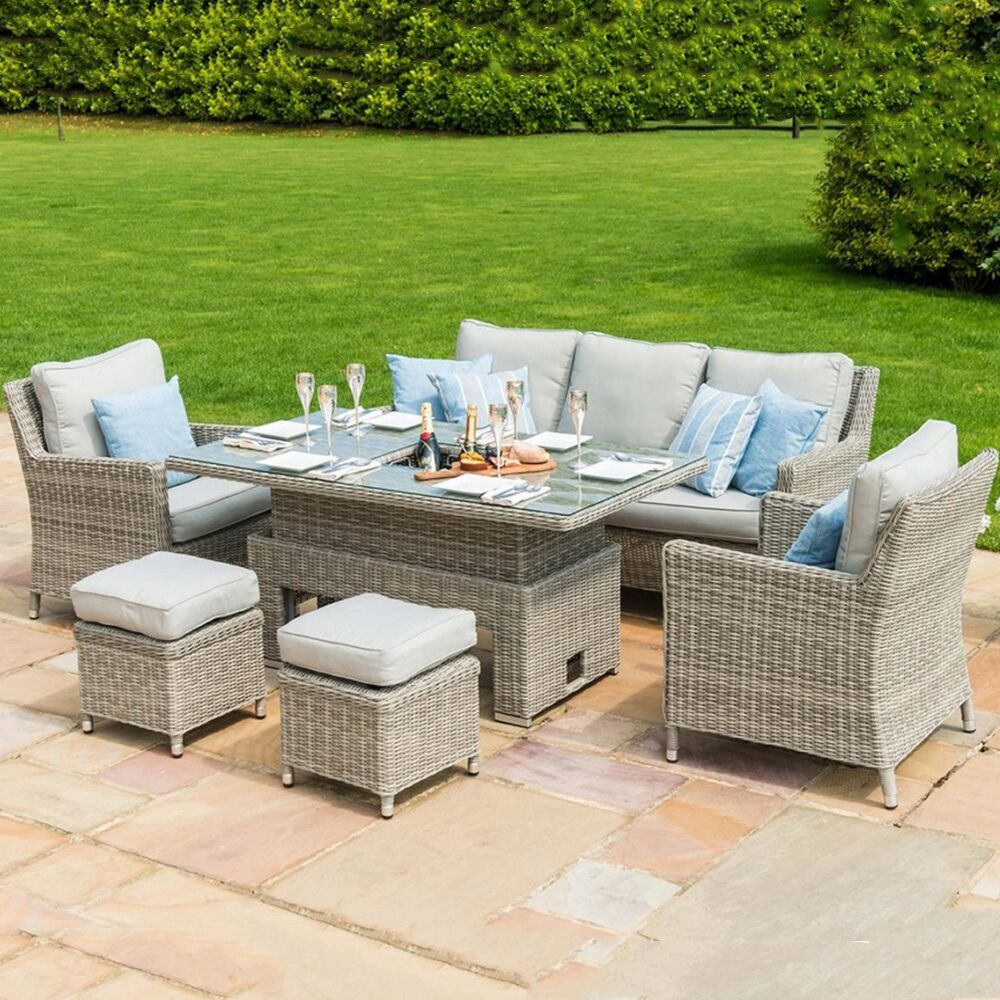
The Ultimate Guide to Rattan Garden Furniture: Why Drinagh’s PE Rattan is Ireland’s Best Investment
The definitive guide to choosing genuine all-weather outdoor furniture that thrives in the Irish climate, from the experts at Drinagh Garden Centre.
Choosing new garden furniture in Ireland is an investment with a unique challenge: finding a balance between stunning design and the rugged durability required for our distinct climate. If your search led you to Rattan Garden Furniture, you’ve found the style. Now, Drinagh Garden Centre provides the authority and expertise you need to guarantee the quality.
We don't just sell furniture; we sell peace of mind. Here is our expert guide on why our premium, All-Weather Rattan is the best choice for your Irish garden.
Decoding the Rattan Myth: Natural vs. Synthetic
The first, and most crucial, step in buying Rattan Garden Furniture is understanding that there are two entirely different products sold under the same name:
| Feature | Natural Rattan (DO NOT BUY FOR OUTDOORS) | Synthetic (PE) Rattan (DRINAGH'S CHOICE) |
| Material | A natural vine. | High-Density Polyethylene (HDPE) Resin. |
| Weather Resistance | Zero. Highly susceptible to moisture, mould, cracking, and UV degradation. | 100% Weatherproof, Frostproof, & UV Stabilised. |
| Durability | Low. Must be stored in winter. | High. Designed to be left outside year-round. |
| Expert Verdict | Suitable only for sunrooms or conservatories. | The ONLY acceptable choice for a garden in Ireland. |
The Three Non-Negotiables for All-Weather Rattan
At Drinagh Garden Centre, we rigorously vet our collections to ensure they meet three essential criteria necessary for an Irish outdoor product:
1. The Frame: Aluminium is Non-Negotiable
In Ireland’s damp climate, steel frames rust within one to two seasons, leading to structural collapse and brown stains on your patio.
-
The Drinagh Standard: Every piece of our Rattan Garden Furniture is built on a Powder-Coated Aluminium Frame. Aluminium is naturally rust-proof and lightweight, ensuring your large Rattan Corner Sofa is sturdy yet easy to move.
2. The Weave: True High-Density PE Rattan
Our PE Rattan is extruded and hand-woven to withstand massive temperature shifts and UV exposure without fading or snapping.
-
Durability: This premium synthetic fibre retains its flexibility and colour for years, resisting the brutal sun-and-rain cycle that breaks down cheaper materials.
3. The Cushions: Quick-Dry Technology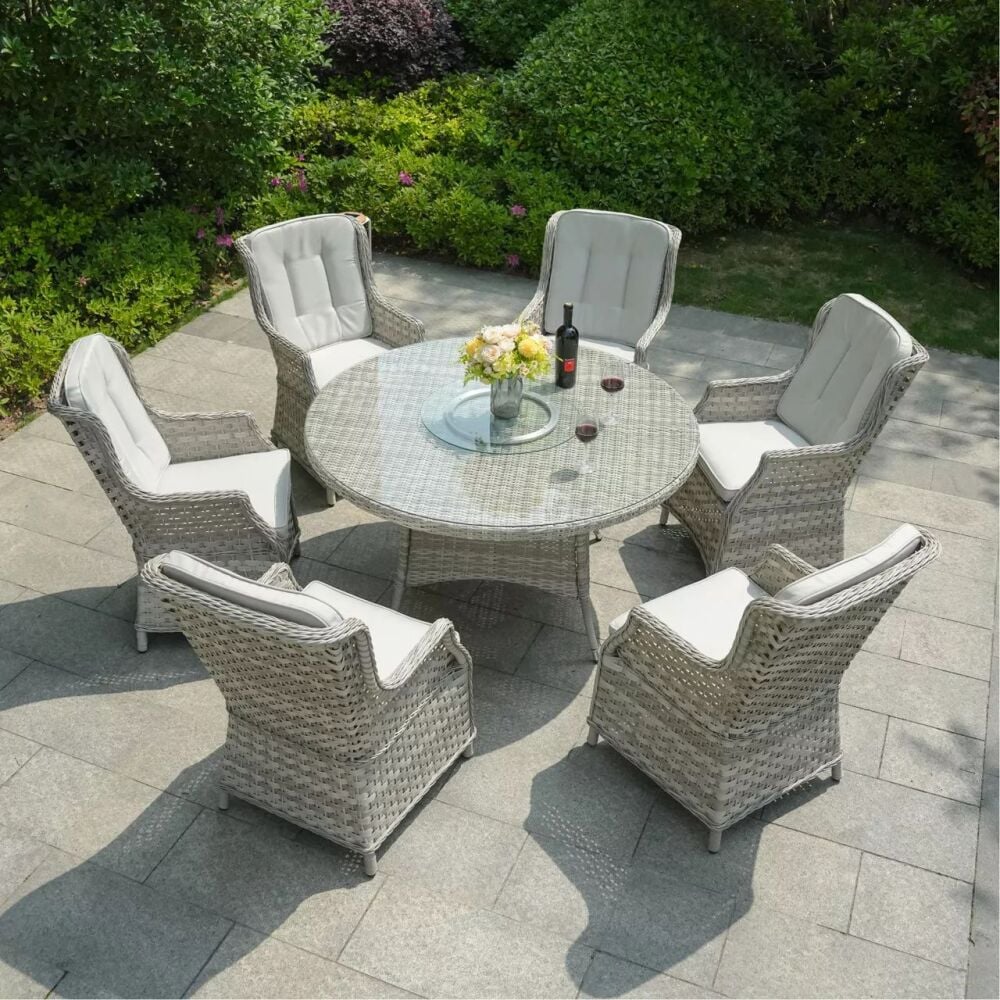
We know an unexpected Irish shower can catch you out. Our cushions feature:
-
Quick-Dry Core: A foam designed to allow water to drain rapidly, preventing a soggy seat and eliminating the risk of mildew and mould build-up.
-
Spun Polyester Covers: UV-resistant fabric that protects against fading, keeping your set looking new for longer.
Find Your Perfect Rattan Style — Delivered Nationwide
We ensure that premium quality is accessible wherever you are in the country. Drinagh Garden Centre offers Nationwide Delivery on all our furniture ranges, from a Dublin patio to a Galway deck.
| Collection Type | Perfect For | |
| Modular Corner Sets | Large families and entertaining groups. | Rattan Corner Sofa Ireland, Modular Garden Furniture. |
| Casual Dining Sets | Blending dining with relaxed lounging. | Rattan Dining Set Ireland, Outdoor Furniture with Rising Table. |
| Firepit Sets | Extending the use of your garden into cooler evenings. | Rattan Firepit Set, Outdoor Heater Furniture, Luxury Garden Sets. |
| Bistro & Balcony | Smaller spaces, balconies, and secluded sun traps. | Compact Rattan Furniture, Balcony Furniture Ireland, Small Rattan Set. |
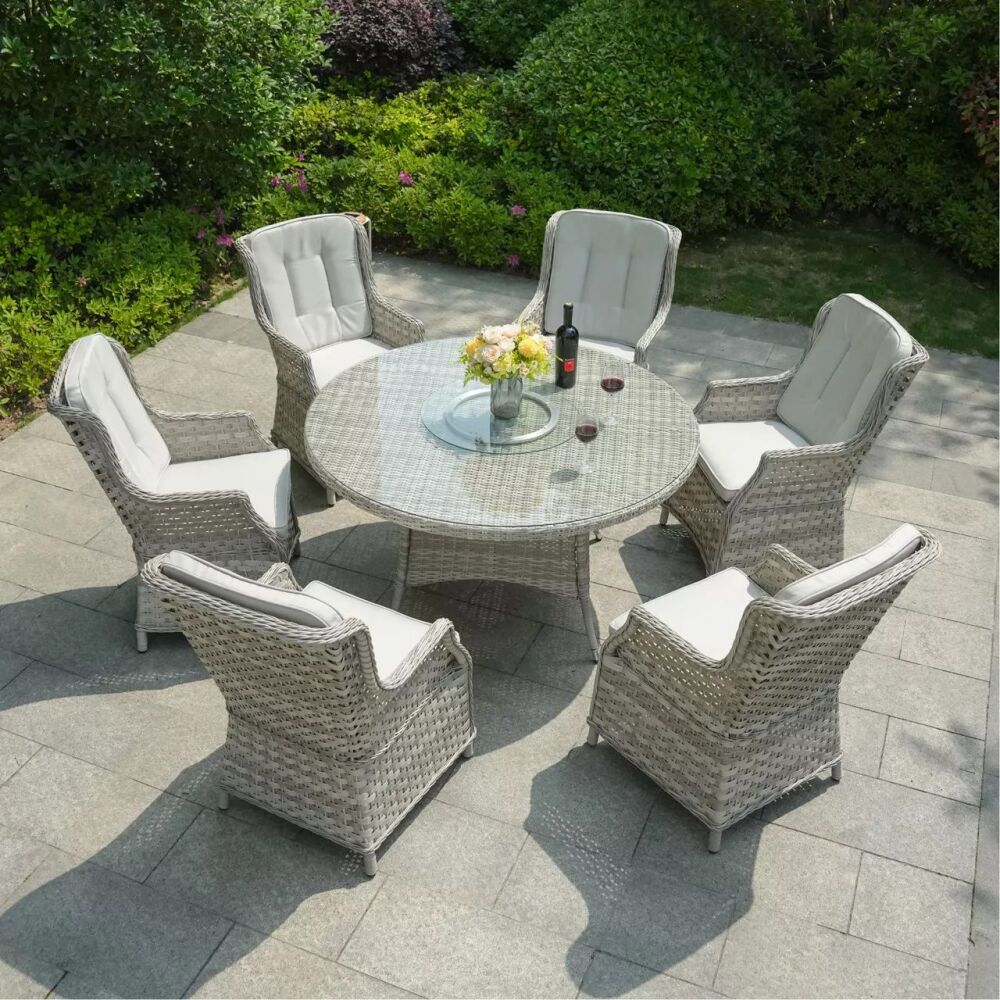
Why Choose Drinagh Garden Centre?
As horticultural experts, our entire business is rooted in understanding the Irish environment. We apply this same exacting standard to our furniture selection.
When you buy your Rattan Garden Furniture from Drinagh, you are not taking a risk on an anonymous online retailer. You are investing in:
-
Guaranteed PE Rattan & Aluminium Construction.
-
Products Vetted for Irish Weather Conditions.
-
Reliable Nationwide Furniture Delivery.
Stop replacing cheap furniture every few years. Choose the authentic, durable solution.
View Drinagh Garden Centre’s full range of All-Weather Rattan Furniture and secure your investment in outdoor living today. www.drinaghgardencentre.ie